
 886-4-22786784
 886-4-22716728
 No. 6, Yuanqu 5th Rd., Taiping Dist., Taichung City 411008, Taiwan
 auxlongspring.com
Products
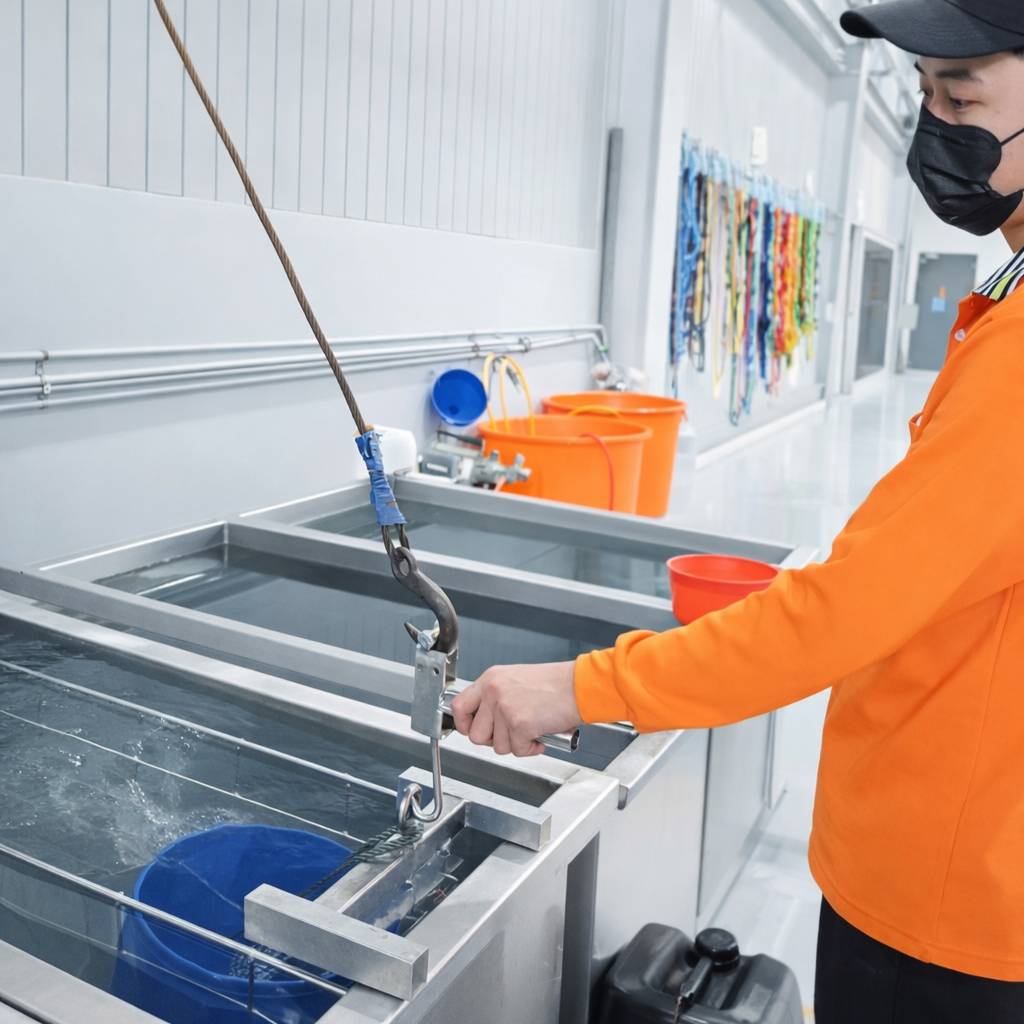
While stainless steel naturally self-passivates, manufacturing processes such as welding, machining, and aggressive cleaning often disrupt this delicate surface layer. This is where Passivation Treatment becomes essential to reinforce the protective oxide film. The passivation process significantly enhances the workpiece's corrosion resistance and leaves behind an immaculately clean surface. Importantly, it achieves this without altering the part's physical appearance or noticeably increasing its surface brightness.
Primary Objectives of Passivation Treatment:
-
Rust Prevention: Creates a robust chemical barrier film against corrosion.
-
Extended Lifespan: Significantly prolongs the operational life of the product.
-
Contaminant Removal: Eliminates surface impurities such as grease, oils, and free iron particles (iron dust).
-
Enhanced Stability: Increases overall metal stability, thereby reducing future maintenance requirements.
Standard Operating Procedure (SOP) & Processing Standards
-
Step 1: Inbound Intake & Inventory Verification (Confirming item types and quantities upon receipt).
-
Step 2: 100% Visual Quality Inspection (Thorough visual check at a 45° angle from a 20 cm distance).
-
Step 3: Customized Process Planning (Tailoring the treatment process based on the specific condition of the workpiece).
-
Step 4: Post-Process White Wipe Test & Final DI Water Rinse (Conducting an initial white cloth wipe test to ensure cleanliness, followed by a final Deionized (DI) water rinse).
-
Step 5: Post-Drying Quality Inspection (Conducting a secondary white wipe test after the drying process to guarantee surface purity).
-
Step 6: Custom Packaging (Packaged securely according to the client's specific requirements).


